
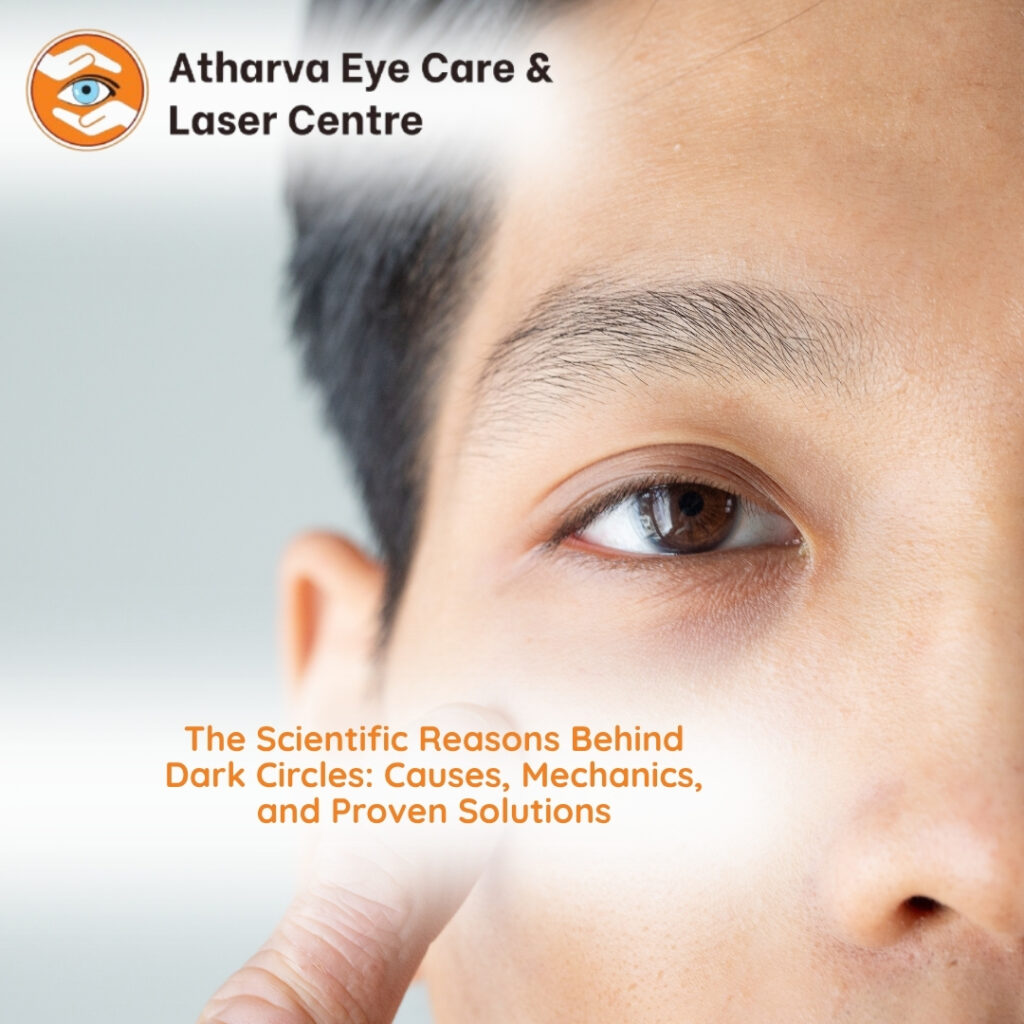
The Scientific Reasons Behind Dark Circles: Causes, Mechanics, and Proven Solutions
Dark circles under the eyes, medically referred to as periorbital hyperpigmentation or periorbital melanosis, are a widespread aesthetic concern affecting individuals across all age groups and skin types. While often dismissed as a minor cosmetic issue caused purely by a lack of sleep, the development of these dark shadows is a complex physiological process. The skin surrounding the eyes is the thinnest on the human body, measuring only about 0.5 mm in thickness compared to an average of 2 mm in other areas. Consequently, any changes in the underlying blood vessels, fluid balance, or melanin production become instantly visible.
Understanding the underlying physiological causes of dark circles is crucial for addressing them effectively. Rather than relying on superficial, temporary cover-ups, treating periorbital shadows requires a targeted approach based on cellular health, vascular behavior, and lifestyle modifications.
The Primary Causes of Periorbital Hyperpigmentation
The development of dark circles can rarely be attributed to a single factor. Instead, it is typically the result of multiple overlapping internal and external influences that compromise the delicate vascular network and dermal structure beneath the eyes.
1. Vascular Stasis and Sleep Deprivation
The correlation between inadequate sleep and dark under-eye circles is deeply rooted in vascular mechanics. When the body does not receive 7 to 8 hours of restorative sleep, its autonomic nervous system cannot properly regulate blood flow. This leads to a condition known as vascular stasis, where blood pools in the capillaries underneath the eyes.
Furthermore, chronic sleep deprivation triggers the release of cortisol, the body’s primary stress hormone. Elevated cortisol levels increase the total volume of blood in the body, forcing blood vessels to dilate (widen) to accommodate the extra volume. Because the overlying epidermis is exceptionally thin, these widened, blood-engorged vessels create a distinct bluish-purple or dark shadow beneath the skin’s surface.
2. Digital Eye Strain and Capillary Dilation
Modern lifestyles demand prolonged interaction with digital screens, including smartphones, laptops, and televisions. Staring at these devices for extended periods induces significant ocular fatigue, commonly referred to as computer vision syndrome or digital eye strain.
When you stare at a screen without frequent breaks, the ciliary muscles within your eyes must work continuously to maintain focus. To support this intense muscular exertion, the body increases blood flow to the ocular region. The local capillaries widen significantly. Over time, this chronic dilation leads to fluid leakage from the capillaries into the surrounding interstitial tissue, leaving behind dark, shadowed patches that do not fade easily.
3. Genetic Predisposition and Dermal Melanin
For many individuals, dark circles are an inherited genetic trait. This genetic variation manifests primarily in two ways:
-
Constitutional Hyperpigmentation: Certain genetic lineages naturally produce higher concentrations of melanin (the pigment responsible for skin color) in the periorbital skin. This is particularly prevalent in individuals of Asian, Mediterranean, or darker skin tones.
-
Anatomical Structure: Deep-set bone structures or a prominent orbital rim can be genetically inherited. This structural layout creates a natural trough or shadow beneath the eye, which mimics the appearance of dark circles regardless of skin health or pigmentation levels.
4. Microcytic Anemia and Iron Deficiency
Iron is a vital micronutrient required for the synthesis of hemoglobin, the protein inside red blood cells responsible for transporting oxygen from the lungs to the rest of the body. When systemic iron levels drop, hemoglobin production falls, leading to iron-deficiency anemia.
When tissues suffer from a lack of oxygenated blood, the skin loses its healthy, flushed appearance and becomes pale and translucent. In the periorbital region, this paleness exacerbates the visibility of the underlying deep-tissue structures. The deoxygenated blood circulating through the under-eye capillaries appears much darker, turning the skin a dull, bluish-gray color.
5. Systemic Dehydration and Cellular Volume Loss
Water is the foundational component of extracellular matrix integrity. When daily fluid intake falls below the body’s physiological requirements, systemic dehydration occurs. To protect vital organs, the body pulls moisture away from the peripheral tissues, including the skin.
Because the sub-orbital area lacks dense subcutaneous fat and relies heavily on cellular hydration to maintain volume, dehydration causes this tissue to shrink rapidly. The skin flattens and sinks closer to the underlying orbital bone structure. This hollowed-out effect changes how light hits the face, casting deep, dark shadows that significantly intensify the prominence of existing periorbital circles.
Evidence-Based Solutions to Mitigate Dark Circles
Addressing periorbital shadows effectively requires systematic, daily intervention to improve vascular health, restore cellular hydration, and optimize nutritional intake.
-
Sleep Optimization: Maintain a consistent sleep schedule to secure 7 to 8 hours of deep sleep nightly. This targets the underlying mechanism of vascular pooling and lowers systemic cortisol levels.
-
Hydration Therapy: Consume 2.5 to 3 liters of water evenly distributed throughout the day. Consistent fluid intake restores dermal volume and prevents the sunken, shadowed effect caused by cellular dehydration.
-
Nutritional Support: Integrate iron-rich whole foods like spinach, beetroot, and dates into the daily diet. This elevates hemoglobin levels to improve tissue oxygenation and reverse paleness.
-
Ocular Ergonomics: Prevent muscle fatigue and localized capillary dilation by actively protecting the eyes from prolonged screen glare.
Implementing Ocular Ergonomics: The 20-20-20 Rule
To systematically combat digital eye strain and the resulting vascular dilation, practicing proper ocular ergonomics is vital. The 20-20-20 rule is a clinically recognized behavioral habit designed to give the ciliary muscles regular intervals of rest.
The protocol dictates that for every 20 minutes of continuous screen exposure, you must divert your gaze away from the monitor and focus on a stationary object located at least 20 feet away for a minimum duration of 20 seconds. This shift in focal distance allows the intraocular muscles to completely relax, resetting blood flow patterns around the eyes and preventing the chronic vascular engorgement that drives under-eye darkening.
Final Clinical Perspective
Periorbital dark circles are fundamentally a physiological reflection of internal systemic states—ranging from localized muscle fatigue and cellular dehydration to broader nutritional deficiencies and genetic traits. While topical cosmetic treatments can offer temporary camouflage, true resolution depends entirely on addressing the underlying biological mechanisms. By prioritizing deep cellular rest, maintaining precise fluid balances, correcting underlying nutritional gaps, and actively reducing optical strain, you can successfully restore structural health and clarity to the delicate periorbital region.
